Broken, root-filled and sagging sewer laterals
Sewer Line Repair and Replacement in Long Beach, CA
Backups that keep coming back, sewage odor or a soggy spot in the yard? Call or send a request to be connected with an independent Long Beach plumber.
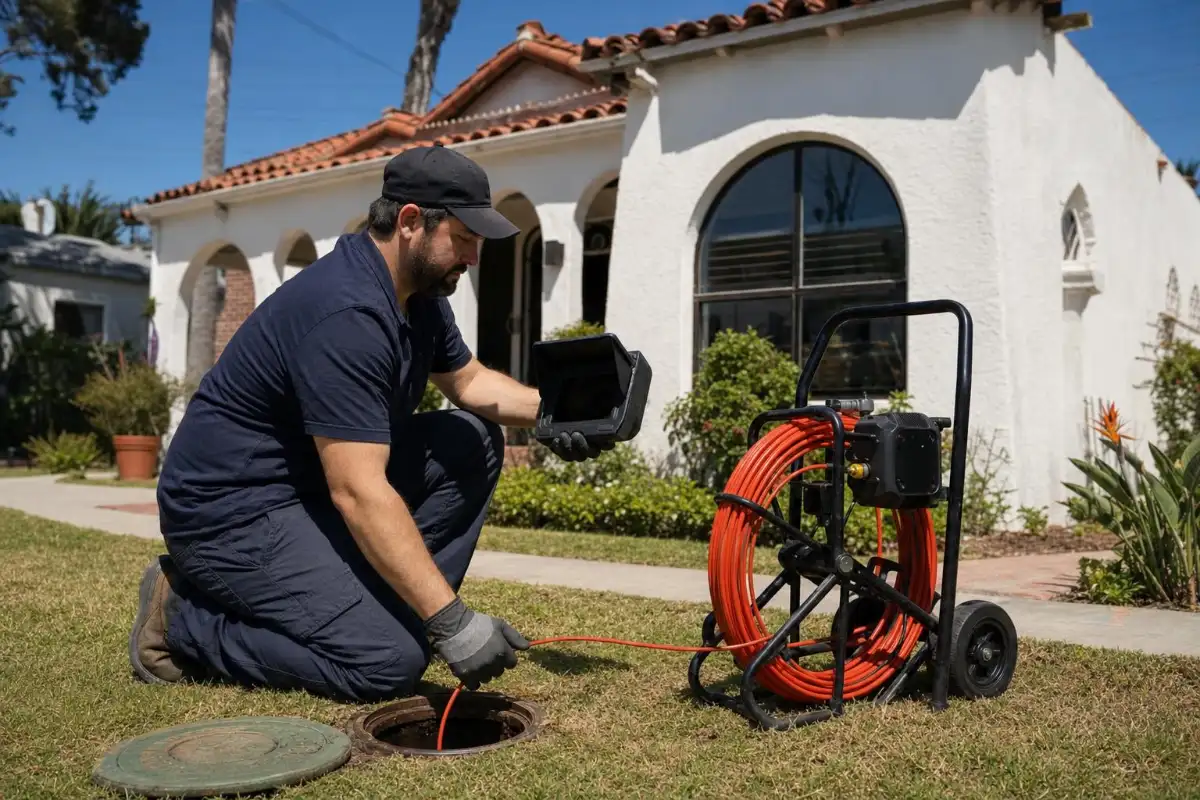
A drain that clogs once is a cleaning job. A main line that backs up again and again, smells, or leaves a soft wet spot in the yard often means the sewer lateral itself is cracked, sagging, root-filled or separated at a joint. In much of Long Beach, that lateral is as old as the house.
The plumber you are connected with inspects the line, shows you what is wrong and gives you a price before any work begins. Callbacks and on-site availability vary.
Long Beach Utilities splits the lateral into two sections (Long Beach Utilities sewer):
The City owns, operates and maintains more than 700 miles of sanitary sewer mains carrying about 40 million gallons a day, per the same page. When a backup happens, Long Beach Utilities says the owner inspects, clears and drains the lateral, and the utility investigates only after the owner's video shows a problem on City property (sewer backups). Keep a copy of any camera footage: it is what the city will want to see if the damage looks like it is on the shared section or in the main. Before you pay for work near the street, ask the plumber and the utility where your responsibility ends for that particular repair.
A camera inspection shows what is wrong and where: roots at a joint, a crack, a sag that holds water, a collapsed section or a separated joint. In Long Beach it also answers a safety question. Long Beach Utilities says the first step with a backup is an inspection "to ensure there is no presence of a cross bore in the sewer lateral," and not to run a root cutter until that is ruled out. A cross bore is a gas line bored through the sewer pipe, and cutting it can cause a gas leak. Bubbles in water, hissing at the cleanout or a gas smell mean leave the house and call 911 or the gas utility.
The utility also "strongly recommends" a 4-inch cleanout at ground level on the downstream side of the house. If your lateral is being repaired or replaced, it is a good time to add one.
Age is the big one. Long Beach's Housing Element data show about 33 percent of occupied homes were built before 1950, about 56 percent before 1960 and about 83 percent before 1980, by our math. Districts such as Belmont Heights, Bluff Park and Drake Park/Willmore City are full of homes from the early 1900s (City of Long Beach historic districts). As general plumbing knowledge rather than a Long Beach count, laterals from those eras were often clay or cast iron. Clay joints let roots in, and cast iron corrodes from the inside.
Weather plays a part too. NOAA's 1991 to 2020 normals for the Long Beach airport show most of the year's roughly 12 inches of rain falling from December through March. Wet months are when a cracked lateral tends to show itself, and the long dry season is when roots go looking for moisture.
Grease matters as well. The utility says owners can be billed if fats, oils or grease from their property clog or damage the city main.
Ask the plumber which option fits your line and why, and what restoration of the yard, driveway or parkway is included.
The plumber sets the price. We did not find Long Beach figures, so these are Los Angeles guides from Angi (undated):
Angi's sewer page also lists permit and engineering fees, but those are City of Los Angeles figures and do not apply in Long Beach. What moves the price: the length and depth of the line, the pipe material, trenchless versus trench, what sits on top (lawn, concrete, a tree), whether part of the work is on the shared section toward the street, and the permit.
Long Beach Community Development issues plumbing permits. Its fee schedule lists installing or altering an on-lot sewer at $14, on top of a $100 minimum permit fee, effective October 1, 2025. The city says most work in a dwelling, including replacements and repairs, needs permits and inspections (Do I Need a Permit). Hire a CSLB C-36 plumbing contractor; a sewer replacement is far over the $1,000 unlicensed limit and needs a permit anyway (CSLB). Before any digging, 811 DigAlert must be called at least two full working days ahead, as Long Beach Utilities notes on its gas line page. Ask who is calling 811 and who pulls the permit.
Wastewater from Long Beach is treated by the LA County Sanitation Districts, which own the Long Beach Water Reclamation Plant and say local sewers and laterals are the local jurisdiction's job.
A note on how this works: Long Beach Plumber Help is an independent referral service, not a plumbing company. Your request goes to an independent plumbing contractor who serves Long Beach, and there is no charge for the referral.
These are the sewer lateral problems Long Beach homeowners and building owners most often ask about.
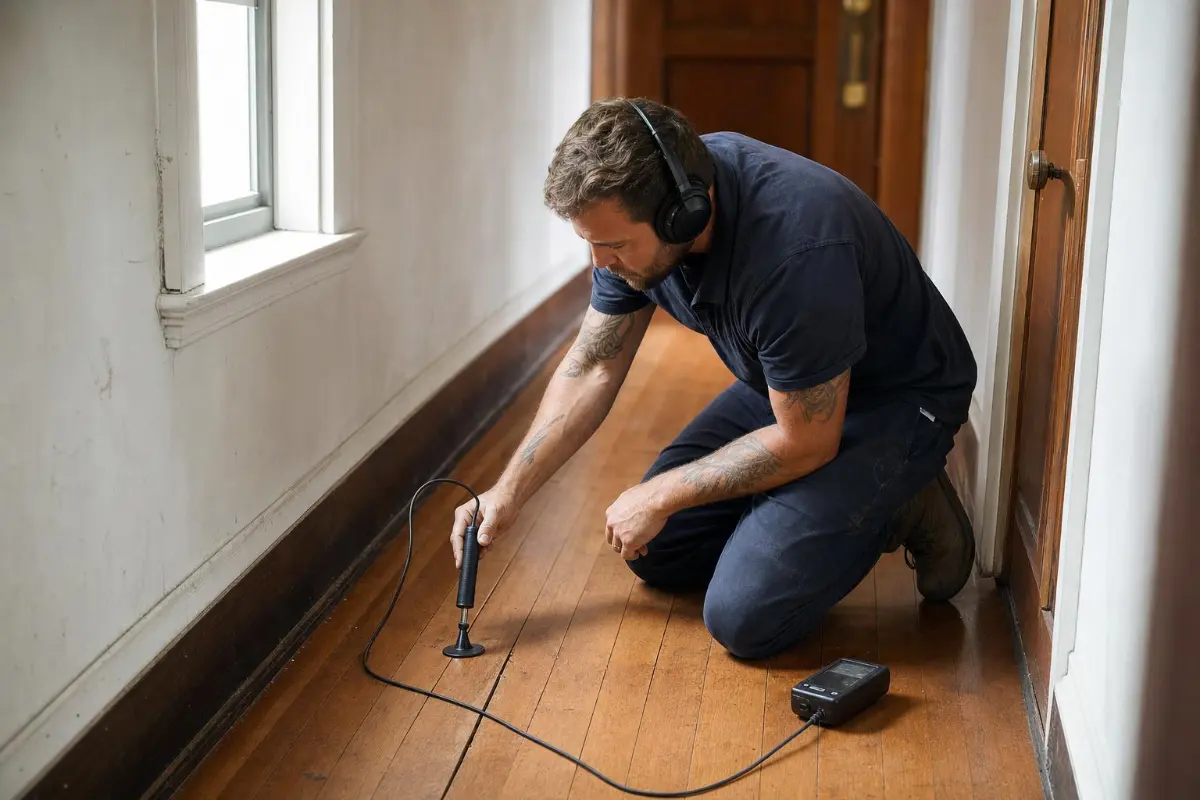
A camera run through the lateral to find roots, cracks, sags and any crossing gas line.
Short broken sections dug out and replaced where the rest of the line is sound.
A new cured-in-place liner inside the old pipe, with little digging.
Old clay or cast iron laterals replaced end to end.
A ground-level cleanout added, as Long Beach Utilities recommends.
Long Beach Utilities investigates only after the owner's video shows a City-side problem.
You own the line to the property line and share the section to the street center.
Ask for spot repair, lining and replacement prices side by side.
Tell us about the backups and get connected with an independent Long Beach plumber.
Free — no obligations
Call (562) 850-1215 or send the form. Say how often the line backs up, where, and whether you have a cleanout.
An independent plumber who serves Long Beach contacts you. Callbacks and on-site availability vary.
Ask to see the footage and how a crossing gas line was ruled out.
Get prices for repair, lining or replacement, with the permit and restoration spelled out.
Long Beach Utilities says the section from the building to the property line is the owner's, the section from the property line to the center of the street is shared between the owner and the City, and the owner handles routine maintenance of both. Ask the utility about any repair on the shared section.
Long Beach Utilities says it investigates only after the owner's camera video shows a problem on City property. Keep a copy of the footage.
Angi's Los Angeles page (undated) puts replacement at an average of $4,091, typically $1,551 to $6,631, or $150 to $300 a foot. We did not find a Long Beach figure. The plumber sets the price.
A resin liner is pulled into the old pipe and cured in place, forming a new pipe inside it with little digging. Angi's Los Angeles page puts it at $135 to $250 a foot.